· Editor · 4 min read
Can You Bring Batteries on a Plane? (Rules & Guidelines)
Navigating airline regulations for electronic devices and batteries can be confusing. Because loose batteries pose potential fire hazards due to short circuits or thermal runaway, global aviation security agencies like the TSA and ICAO have strict rules.
Whether you can bring batteries on a plane depends on three primary factors: the battery chemistry, its capacity (Watt-hours or lithium content), and whether it is packed in carry-on or checked luggage.
Standard Guidelines by Battery Type
1. Lithium-ion (Li-ion) Batteries
These are rechargeable batteries used in modern electronics such as smartphones, laptops, tablets, and camera gear.
- Devices with built-in batteries: You can carry them in either carry-on or checked baggage. However, if placed in checked luggage, the device must be powered completely off (sleep or stand-by mode is strictly prohibited) to prevent accidental activation.
- Spare (loose) lithium-ion batteries: Must ALWAYS be kept in carry-on luggage. They are strictly forbidden in checked baggage.
- Capacity limits:
- Under 100 Wh: Allowed without restricted limits for personal use (e.g., phones, standard laptops).
- 101 Wh to 160 Wh: Allowed in carry-on ONLY with airline approval (typically limited to 2 spare units per passenger, common for heavy-duty video equipment or extended laptop batteries).
- Over 160 Wh: Strictly prohibited on passenger aircraft.
2. Lithium Metal Batteries
These are non-rechargeable lithium batteries commonly used in small gadgets, watches, and medical equipment.
- Limits: Spare lithium metal batteries are permitted in carry-on baggage only if they contain 2 grams or less of lithium content per battery.
- Checked baggage: Permitted only if installed inside a device. Loose spare batteries are prohibited in checked bags.
3. Power Banks and External Chargers
A power bank is classified as a spare lithium-ion battery under aviation rules.
- Carry-on vs. Checked: Power banks must be carried in cabin baggage (carry-on) only. They are banned from checked luggage because cabin staff can respond immediately in the rare event of thermal runaway.
- Capacity rules: Most standard power banks (under 100 Wh, roughly 27,000 mAh) are fine for carry-on. Power banks over 100 Wh require airline consent, and those over 160 Wh are completely forbidden.
4. Non-Spillable & Spillable Wet Batteries
- Non-spillable batteries (e.g., Gel cell, AGM): Allowed in carry-on or checked baggage if the voltage is 12V or less and the capacity does not exceed 100 Wh. Up to two spare batteries are permitted if terminal contacts are protected against short circuits.
- Spillable batteries (e.g., standard car batteries): Strictly forbidden in both carry-on and checked luggage, unless integrated into a powered wheelchair or mobility device (subject to special handling rules).
5. Standard Dry Cell Batteries (Alkaline, NiMH, NiCd)
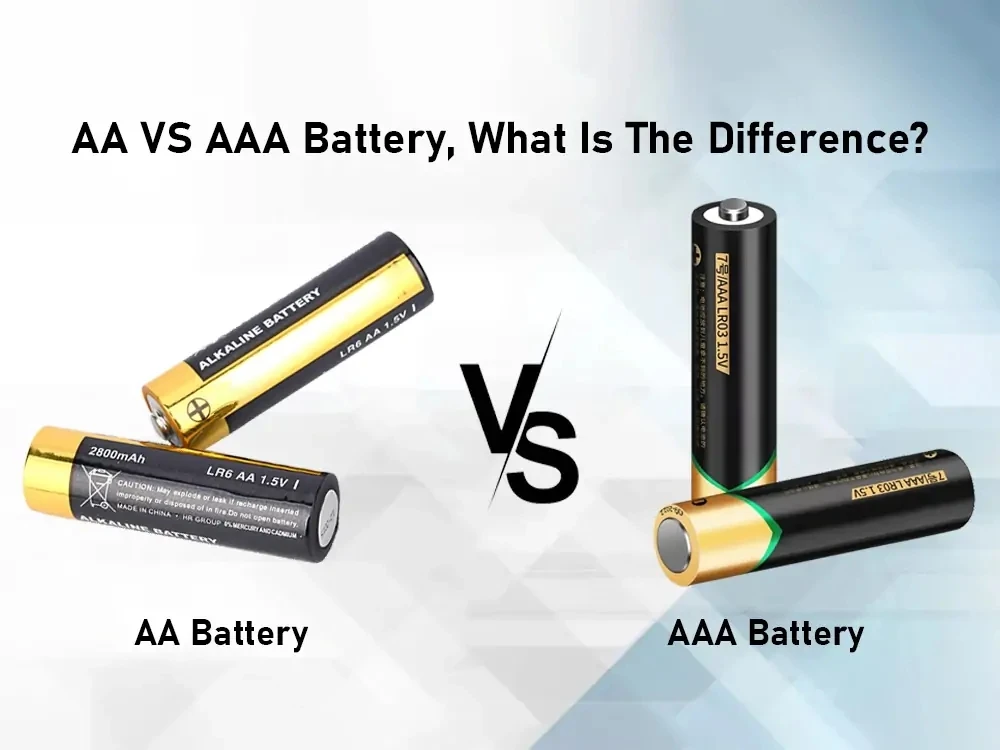
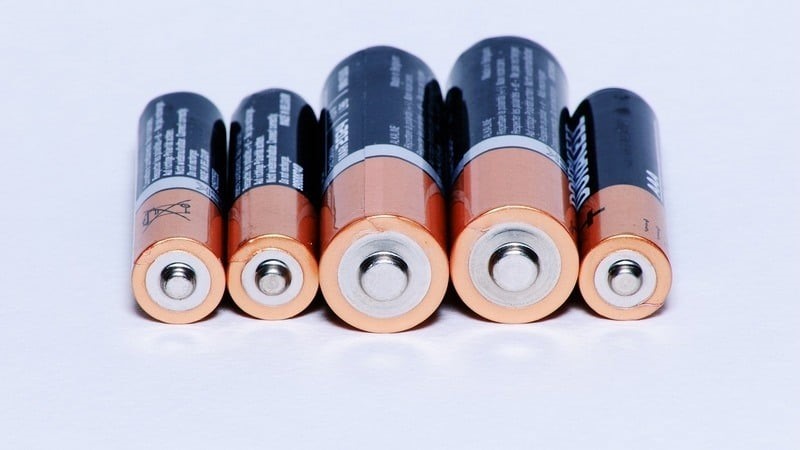
Common household batteries (AA, AAA, C, D, 9V, and rechargeable NiMH/NiCd packs) are safe and widely accepted.
- Luggage type: Permitted in both carry-on and checked luggage.
- Safety precaution: Although they carry a lower risk than lithium batteries, you must protect spare terminals from coming into contact with metal objects (such as coins or keys) to prevent short-circuiting.
Special Items & Recalled Equipment
- E-Cigarettes and Vape Devices: Must be kept in carry-on baggage only. Charging or using these devices onboard is strictly prohibited.
- Recalled Products: Any electronic device or battery recalled by the manufacturer due to safety or fire hazards (such as specific laptop or smartphone battery recalls) is banned from all flights until repaired or replaced according to official vendor procedures.
Quick Summary Table
| Battery Type | Carry-On Luggage | Checked Luggage | Key Condition |
|---|---|---|---|
| Li-ion Installed in Device | Yes | Yes | Must be completely powered OFF if checked. |
| Spare Li-ion / Power Banks | Yes (<100Wh) | NO | Banned in checked luggage. Max 160Wh with approval. |
| Alkaline / NiMH / NiCd | Yes | Yes | Terminals must be taped or isolated. |
| E-Cigarettes & Vapes | Yes | NO | Cannot be charged or used on board. |
Conclusion
You can easily bring your essential electronics and batteries on a plane, provided you place them in the correct luggage. The golden rule is simple: keep all spare lithium batteries and power banks in your carry-on bag, ensure installed devices in checked bags are powered down, and protect all battery terminals from short circuits. Checking your airline’s specific policy before departure will ensure a hassle-free security process.